There’s no denying the fact that our smartphones can take some amazing photographs. However, few can actually beat the beauty of high-quality, well-shot images that the best digital cameras can whip up. After all, there are few things more exciting for photography enthusiasts like us than being able to zoom in as much as possible on stunning landscapes, wildlife, or architecture using a camera specifically designed for it. That’s why we were looking for a used MPB digital camera, which allowed us to explore a lot more options within our budget. Not only did we find a wide range of digital cameras in all sizes and shapes, but we also had many choices for all the top brands.
These included everything from travel-friendly point-and-shoots and mirrorless options with cutting-edge autofocus systems to conventional DSLR cameras with established lens ecosystems and comfortable ergonomics. Don’t worry; we’ve done the legwork for you and drawn up a guide to the best interchangeable lens ‘digicams’ on MPB.
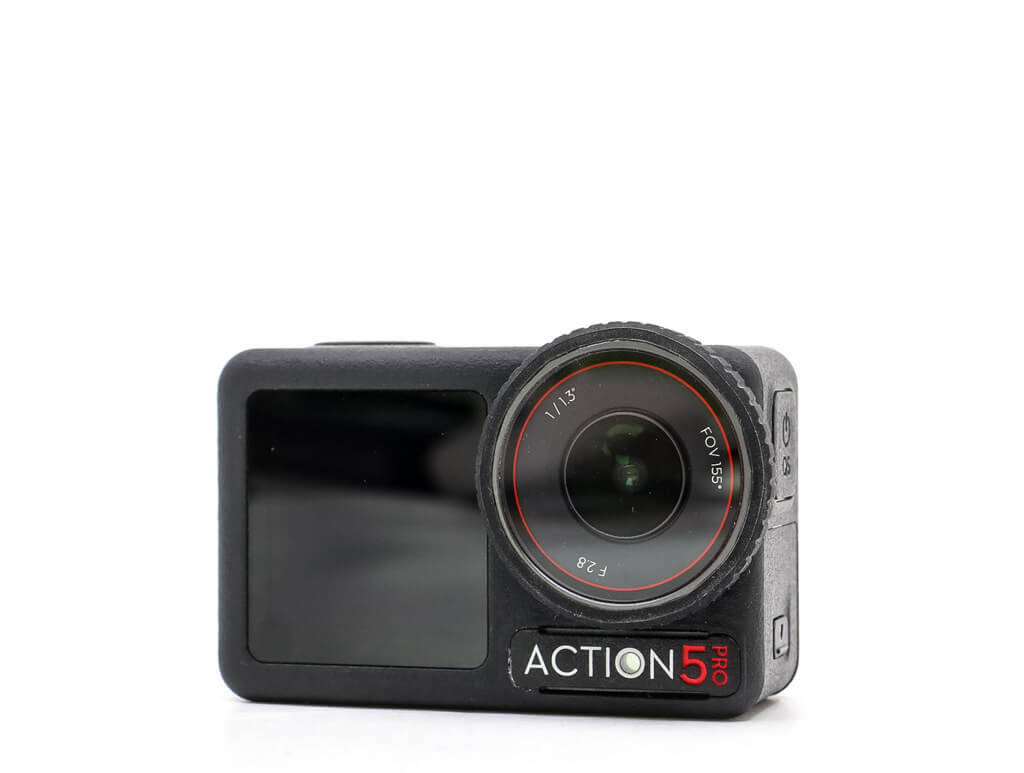
DJI Osmo Action 5 Pro
6
Are you a video-first creator who wants to document extreme sports, dives, and all sorts of outdoor adventures? The DJI Osmo Action 5 Pro is the one to look out for. Priced at USD 350 on MPB, the digicam has a type 1/1.3 sensor, along with standout digital stabilization, and excellently smooth slo-mo recording. Moreover, the phenomenal battery life allows for more than 2 hours of 4K60 recording on a single charge, cementing this camera’s position at the top of the action cam list. Tiny, tough, and waterproof, this pocket-sized rugged camera is the best companion for all epic adventures!
Specs
- Display: 2.5-inch touchscreen
- Connectivity: USB-C, Bluetooth, Wi-Fi
- Viewfinder: N/A
- Sensor: 40MP Type 1/1.3 CMOS
- Weight: 500 g
Pros
- The 10-bit 4K120 video recording is excellent.
- The battery life is class-leading.
- It can record continuously without overheating.
Cons
- The app features aren’t as strong as the GoPro’s.
Buy on:

DJI Osmo Pocket 3
5
Best for vlogging. The vlog-friendly and compact DJI Osmo Pocket 3 allowed for rock-steady handheld footage, thanks to the 4K video camera on a 3-axis gimbal and the wide-angled 20mm lens. What’s more, it even supported 120fps slow-motion in widescreen mode and even 4K60 recording with sound. What we also loved was that it worked extremely well in dim light while also supporting 2x lossless digital zoom for landscapes. However, its purpose as a video camera is the main feature, whether you want to record documentary-style footage, travel vlogs, or even self-recorded videos. Did we mention that you can add a wireless lapel mic for longer shoots and even an extended life battery? Yep.
Why don’t you also check out the best used cameras for travel photography?
Specs
- Display: 2-inch touchscreen
- Connectivity: Bluetooth, Wi-Fi, USB-C
- Viewfinder: N/A
- Sensor: 64MP Type 1
- Weight: 181 g
Pros
- The battery life is excellent.
- We loved the large image sensor that excelled in dim light.
- It can record long clips without overheating.
Cons
- It’s not weatherproof or rugged.
Buy on:
Canon EOS R8
4
The Canon EOS R8 is the best entry-level full-frame digicam on this list. We could capture everything from people to moving objects, thanks to the 24MP BSI CMOS sensor with 40fps and snappy on-camera focus. What’s more, it even recorded detailed 4K60 video, made all the easier with the eye-level viewfinder and the articulating LCD. Despite it not having weather sealing or sensor stabilization, it skimps on nothing in terms of picture quality or autofocus speed. Whether you’re a budget-strapped enthusiast or a connoisseur, you’ll be hard-pressed to find a full-frame digicam as good as this one for this price.
Specs
- Display: 3-inch touchscreen
- Connectivity: Wi-Fi, Bluetooth, micro HDMI, USB-C, headphone and microphone (both 3.5mm), remote (2.5mm)
- Viewfinder: EVF
- Sensor: 24 MP full-frame CMOS
- Weight: 453.5 g
Pros
- We loved the class-leading autofocus system.
- The 24MP full-frame sensor captured sharp and clear images.
- The articulating touch LCD was very helpful.
Cons
- No image stabilization.
Buy on:
Nikon Z8
3
The Nikon Z8 might just be the best-ever camera from the brand, and it’s easy to see why. This camera, which already costs USD 3,550 on MPB, offers a bunch of features to match its price. Firstly, it has a high-resolution 45MP stacked CMOS sensor, complete with a 20fps and an autofocus engine. So, this combination was ideal for everything from wildlife and sports stills to photographing still people. A brilliant EVF viewfinder, a weather-sealed and midsize body, and support for both ProRes and Raw video round out the feature set of this fantastic and nifty Nikon.
Specs
- Display: 3.2-inch touchscreen
- Connectivity: Wi-Fi, Bluetooth, HDMI, USB-C, microphone and headphone (both 3.5mm), remote (Nikon 10-pin)
- Viewfinder: EVF
- Sensor: 45.7 MP full-frame stacked CMOS
- Weight: 907 g
Pros
- We loved the sturdy, weather-sealed build.
- The large and crisp EVF with interruption-free capture was amazing.
- The backlit buttons are a nice touch.
Cons
- The battery life could be better.
Buy on:
Olympus OM-D E-M10 Mark IV
2
Best value. The Olympus OM-D E-M10 Mark IV camera is one of the best value travel-friendly digicams that shoots impressive stills. We loved the generous feature set available for just USD 550 on MPB: a 20MP sensor that captured better stills than other compact cameras and smartphones, and the five-axis in-body image stabilization for handheld shots. What’s more, the button layout made it very easy for beginners amongst us to use, as did the 3-inch touchscreen. Overall, this is an appealingly affordable and portable photography upgrade.
Specs
- Display: 3-inch tilting touchscreen
- Connectivity: Bluetooth, Wi-Fi, USB Micro B 2.0
- Viewfinder: Electronic
- Sensor: 20.3MP
- Weight: 383 g
Pros
- The camera boasted impressive image stabilization.
- We loved the nifty flip-down touchscreen.
- The compact proportions made it travel-friendly.
Cons
- It doesn’t have a USB-C port or a microphone input.
Buy on:
Fujifilm X100VI
1
Best overall. All of Fujifilm’s X100-series cameras, from X100 and the X100V to the immensely popular Fujifilm X100VI, boast robust, retro-looking bodies with delightful physical controls. We loved the fixed lens on the X100VI in terms of picture handling and quality. It might not be pocket-sized, but it was still small and lightweight to carry around. The stabilized 40MP APS-C image sensor provided an extremely useful digital crop, allowing us to shoot at both short telephoto and standard angles. However, we most loved the look and feel of the old film camera, with the discrete shutter and hybrid optical-electronic viewfinder being an absolute standout.
“We loved the robust, retro look of the Fujifilm X100VI, as well as its impressive shoots!”
WOW Travel
The downside? Demand for this camera is always up, so grab one from MPB today!
Specs
- Display: 3-inch touchscreen
- Connectivity: Bluetooth, Wi-Fi, USB-C, Microphone (2.5mm)
- Viewfinder: Hybrid
- Sensor: 40 MP APS-C X-Trans BSI CMOS
- Weight: 544 g
Pros
- We loved the stunning retro industrial design.
- The hybrid optical-electronic viewfinder is fantastic.
- The frame is lightweight and carry-friendly.
Cons
- None, really.
Buy on:
Our Verdict!
Here’s a smaller list where we’ve listed the best products from the list according to their features, so you can make a choice.
- Best overall: Fujifilm X100VI
- Best value: Olympus OM-D E-M10 Mark IV
- Most for blogging: DJI Osmo Pocket 3
Do digital cameras only take pictures?
Many digicams can also record moving videos with sound, besides taking pictures. Moreover, digicams can also display the photos taken on the screen immediately after you record them, unlike film cameras.
You might also want to check out a review of MPB for budget-conscious travelers.
What is the main purpose of a digital camera?
Digital cameras capture and store images in digital formats using sensors to convert light into electronic signals, processing them into digital images.
How do I get photos from a digital camera?
You can either pop the camera’s SD card into a card reader or adapter and access it on the computer, or you can directly connect the camera to your computer via a USB cable.
Some images on this article are copyrighted by MPB.
