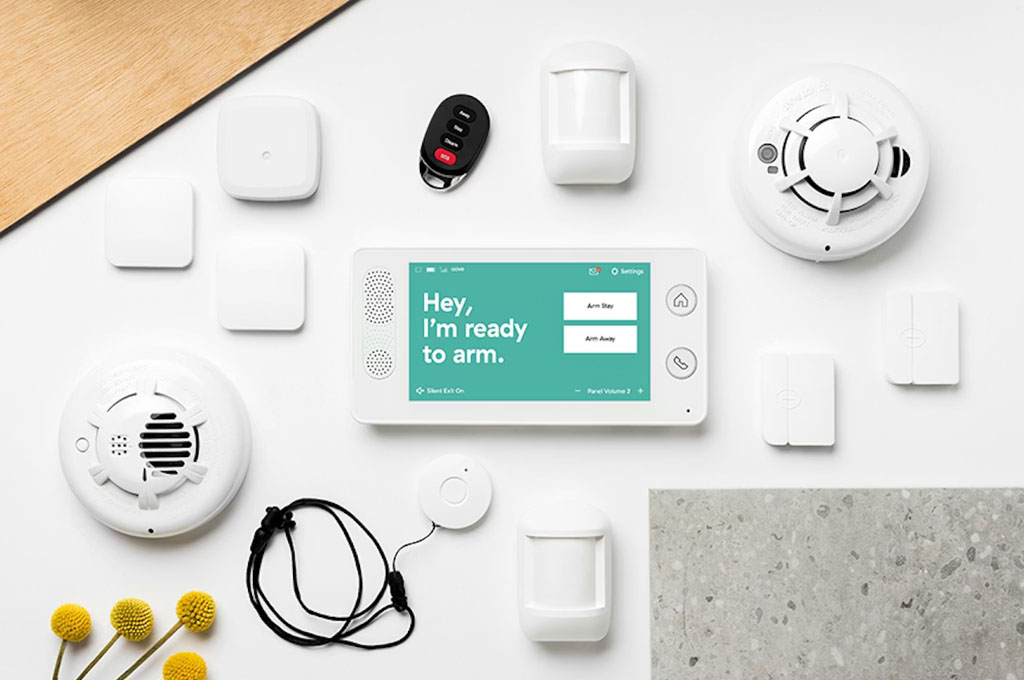
Think you’ve done enough by locking your doors and windows before traveling? Sometimes, that isn’t enough. The average vacation lasts about a week, yet most burglaries take less than 10 minutes, and they’re often triggered by obvious signs that no one is home: uncollected packages, lights that never change, and doors that never move. What we don’t always realize is that being away creates a predictable pattern, and predictable homes are easier targets. That’s why we started looking at Cove Security equipment differently. Built around real-time mobile alerts, cellular connectivity, and hands-off monitoring, Cove gives us visibility into our homes when we’re not there to notice the small things, so travel doesn’t mean leaving blind spots behind.
Whether you’re planning to visit Bryce Canyon or exploring Yosemite, keeping your home safe is a must. But before you go, it helps to know how that protection actually works. Below, we’ll break down how Cove’s top-rated security equipment helps safeguard your home while you’re away, so you can decide if it’s the right fit for you.
Cameras
5
Cameras are like your third eye when you’re traveling, and Cove has a lot of variety. When we first set up Cove’s indoor camera, it quickly became one of our favorite pieces of the system. This camera doesn’t just sit in a corner and record. We can literally pan and tilt it to see almost every angle of a room, and its smart AI helps it tell the difference between people, pets, and random motion. That means we only get alerts that actually matter, and we can scroll back through footage to find a moment without digging through hours of boring video. The crisp video quality and night vision also give us confidence that we’re getting a clear picture of what’s happening inside, day or night.
For keeping an eye on the outside of our home, the outdoor camera feels like a next-level upgrade. It’s built tough with a weather-resistant design so rain or sun won’t slow it down, and the built-in solar panel keeps its battery topped off. When motion gets detected, it can even trigger a spotlight or siren to deter unwanted visitors before we ever have to intervene.
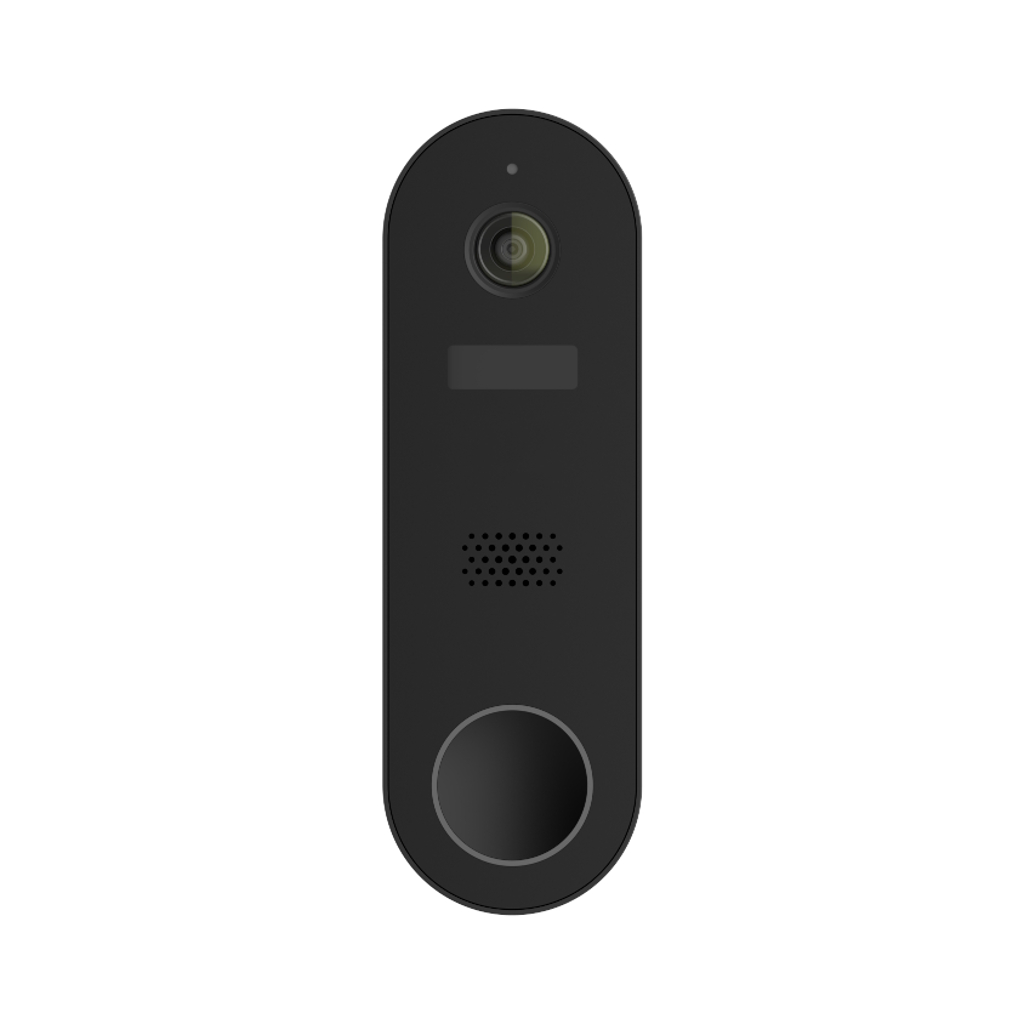
And then there’s the doorbell camera, which is a device we use all the time without even realizing it. Whether it’s a delivery driver dropping off packages or a friend stopping by, we get an alert and live video right to our phone so we can see who’s there and even talk to them through the app. Thanks to its wide viewing angle, we don’t miss a thing on the porch, and with options for wired or wireless setup, it fits easily into our home without a headache.
See on:

Sensors
4
When it comes to home protection, sensors are often the unsung heroes. They quietly watch for trouble so we don’t have to. In fact, one of the first things we added was door sensors and window sensors. They’re tiny devices that literally tell us when an entry point moves. Each sensor has two parts: a magnet and a detector. When the door or window is closed, they sit close together. If someone opens them, the connection breaks and instantly alerts our system and our phone.
But doors and windows aren’t the whole story. That’s where glass break sensors come in. These are a great backup to the contact sensors because they don’t just care if something opened. They listen for the specific sound frequency of shattering glass. That means if someone breaks a window without actually opening it, we still get an alert. We’ve placed ours so they’re facing large glass areas.
Last but definitely not least are motion sensors, which we see as our indoor safety net. Unlike the door/window sensor that only reacts to openings, motion sensors notice heat and movement inside the house. It alerts us if someone is walking through a room when no one should be there. They’re designed to focus on human-sized movement, so pets under a certain weight won’t set off false alarms.
See on:
Detectors
3
Now that we’ve talked about sensors, let’s move on to detectors. First, we have Cove’s smoke detector, which is built to catch fires early. It’s wireless and easy to set up, and if it senses smoke, we’ll get a mobile alert, and Cove’s monitoring team can even contact emergency responders right away. Plus, the detector checks its own battery and connection every hour, so we don’t have to wonder whether it’s still working while we’re on the road.
Another invisible threat most of us don’t think about is carbon monoxide, a colorless, odorless gas that heating systems and stoves can produce. Cove’s carbon monoxide detector keeps an eye on our air 24/7 and links directly to the Cove system. If dangerous CO levels are detected, it alerts us on our phones and notifies the monitoring team so help can head your way immediately. For us, it’s one of Cove’s most underrated features!
Then there’s the water leak detector, which might not sound exciting until water starts creeping across your floor. It sits low to the ground near water heaters, sinks, or laundry rooms and can spot moisture or minor leaks before they turn into major damage. Cove’s system will ping our phones the moment water is detected, so even if we’re out, we can act fast.
See on:
Hub and Alarm Panel
2
The hub and alarm panel are the heart of our home security setup, keeping the rest of our Cove Security equipment together. Think of it as a brain. It links every sensor in our house to the Cove monitoring team, so nothing acts alone. Without it, all of those devices wouldn’t be able to communicate with us or with the professionals keeping an eye on our home. And the alarm panel is our command center. It’s a touchscreen device where we can instantly arm or disarm the system, see live camera feeds, check the status of each sensor, and even set customized schedules for when the system should be on alert. It’s way more intuitive than the old numeric keypads.
What we love about this combo is how it keeps us in control and connected. The hub uses both an Ethernet connection and a cellular backup, so it doesn’t rely solely on our home Wi-Fi. And because we can add up to four alarm panels throughout the house, we don’t have to run to the front door just to disarm the system. We can do it from our bedroom or the basement!
See on:
Extras
1
That’s not all, as you can also add some extra equipment to your system to make everything more seamless. For example, the secondary siren. The main alarm on the hub is already loud, but the extra siren allows us to hear alerts from corners of the house that once felt too far, like the basement. It’s simple to install, and when a sensor trips, both the hub and the secondary siren go off together/
Another bit of peace of mind for us has been Cove’s panic button. This tiny device lives on a wall or around a loved one’s neck, and if anything feels wrong, whether it’s a medical issue or an unexpected visitor, all we have to do is press and hold it for a couple of seconds. That automatically alerts the monitoring team, who then contact both emergency responders and us, so help is on the way quickly.
Then there’s the key fob, which is basically a mini remote to stay in control. We use it all the time. A quick button press arms or disarms the system from a distance, so we don’t have to dash to a panel when we’re juggling bags at the door. And if things ever really go sideways, the key fob doubles as an SOS panic trigger, sending an emergency alert straight to Cove’s monitoring team whether the system is armed or not.
Also read: Six Ways to Keep Your House Safe When You Go Away on Vacation
See on:
Is Cove a good security system?
Definitely! Cove is often considered a solid, easy-to-use, and affordable home security system with reliable 24/7 professional monitoring and a DIY setup that many homeowners appreciate.
Why is Cove so cheap?
Cove is relatively cheap because it sells its equipment à la carte with frequent promotions and keeps upfront costs low, so you only pay for what you need rather than expensive bundles.
Does Cove Security equipment work without Wi-Fi?
Yes, they’re designed to work even without your home Wi-Fi, because they use a built-in cellular connection to stay connected to the monitoring center.
Some images on this article are copyrighted by Cove Security.
