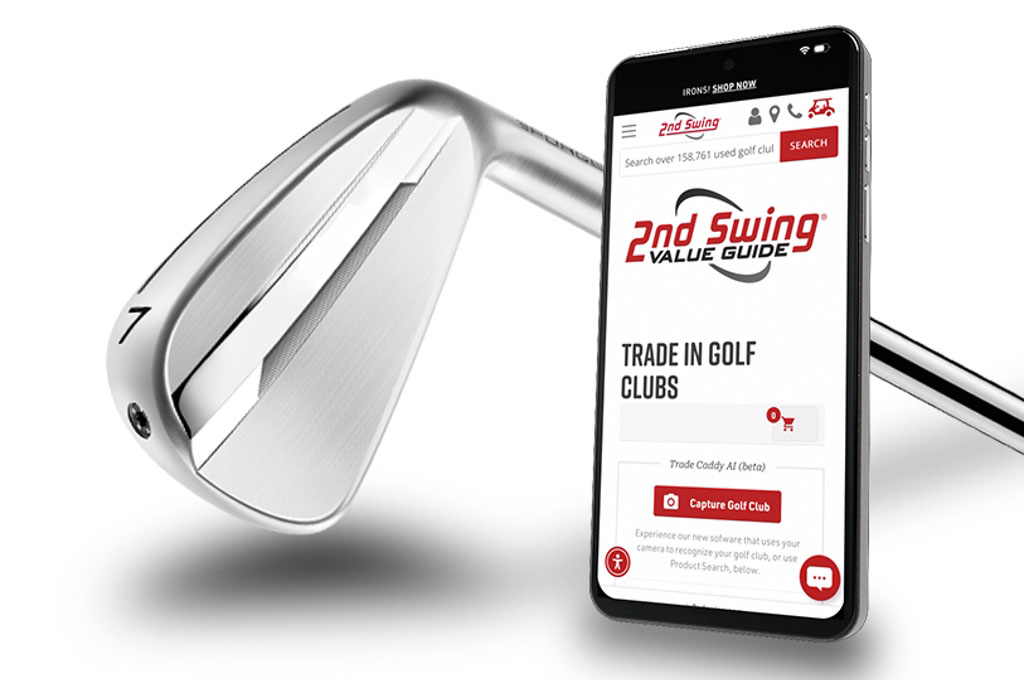
Packing golf clubs usually means choosing the right travel bag, protecting your shafts and club heads, and preparing for airline baggage fees. While those traditional methods can protect your gear, they don’t eliminate the hassle of hauling a heavy golf bag through airports. After learning how to approach golf travel differently, we realized there’s an even smarter solution than carefully packing and flying with our clubs. Instead of dragging our old set across the country, we trade them in through the 2nd Swing Golf trade-in program before or during our trip and use the credit toward clubs at our destination. What used to be a hassle has become an opportunity to upgrade or change our setup. Here are the benefits of the trade-in program for traveling golfers.
A Smarter Way to Pack: Travel Lighter and Avoid Extra Fees
One of the biggest lessons we’ve learned from 2nd Swing about how to pack your golf gear is this: sometimes the best way to pack is not to pack at all. Most airlines charge high fees for golf bags. We were once charged over 100 USD for a round-trip flight! By using the 2nd Swing trade in program instead of checking a golf bag, you can avoid oversized baggage fees entirely. Another perk we love is not having to drag a heavy bag through terminals and parking lots.
Beyond airline fees, traveling without clubs also makes ground transportation much easier. Since learning about the trade-in program, we no longer need to rent a large SUV just to fit our gear, which saves us a significant amount of money. We much prefer getting around in a smaller car or simply taking a standard Uber.
See on:

Turn Old Clubs into Travel Budget
Another perk we’ve experienced by trading in our equipment is the immediate value we can put toward our trip. Instead of packing older clubs you were already planning to replace, trade them in before your golf getaway and apply the value toward equipment at your destination.
2nd Swing offers competitive trade-in rates, and their online Value Guide makes it easy to check real-time trade-in estimates by simply entering your club’s brand, model, and condition before you even step into a store. We also appreciate how transparent the pricing is, since the Value Guide reflects current market demand and helps set realistic expectations about what our gear is worth. Instead of letting old clubs sit in the garage and lose value, we’re able to apply that credit toward a newer set, accessories, or other golf essentials we need for our rounds, including the best pair of golf shoes and a GPS watch for golf.
For us, this is a nice way to help fund our hobby. By clearing out gear we no longer use, we lower the overall cost of our golf trip while upgrading our equipment at the same time. What a win-win solution!
See on:
Trying New Gear on the Road
One benefit we didn’t expect when learning how to simplify golf travel was how fun it would be to test new equipment, especially with 2nd Swing. Thanks to the 2nd Swing Golf trade in program, we can gain access to an extensive inventory of new and used clubs.
Instead of only hitting into a net at home, we can arrive at our destination, visit a 2nd Swing location, and get properly fitted for clubs that match the course conditions we’re about to play.
We love that this gives golfers a chance to test drive equipment without a long-term commitment. If you find a set of irons you like, you can use your trade-in credit to get them for your trip. If you decide they aren’t quite right for your game by the time you head home, you haven’t wasted money on a permanent purchase. Instead, you’ve simply used your trade-in value to try something different.
See on:

Protecting Your Golf Gear While Traveling
Trust us, flying with golf clubs always carries the risk of damage. Even when you know how to properly pack your golf gear for travel, airline damage is always a possibility. Clubs can still be bent, scratched, or snapped in transit.
This is why we always try to trade in our clubs with 2nd Swing rather than putting them on a plane. This method also saves us from the hassle of filing insurance claims or trying to get an airline to pay for broken gear. For us, it makes traveling for golf significantly less stressful.
See on:
Fitting & Expertise on the Road
Another reason this strategy works so well is access to professional fitting services. Visiting a 2nd Swing store gives you access to launch monitors and expert fitters who analyze swing speed, ball flight, and performance data.
If you’re traveling to a destination with different course conditions, whether it’s firmer turf, higher elevation, or coastal winds, getting fitted locally can actually improve your performance during the trip. We’ve consistently ended up with clubs that fit our swing better than our old set did.
See on:
60-Day Play Guarantee
One of the best parts of the 2nd Swing Golf trade in program is the 60-day Play Guarantee. If you trade in your clubs and pick up a replacement set for a trip, you’re not locked into that decision. You have plenty of time to test them on the course, and if they’re not the right fit, you can return them for credit toward something else.
For us, that flexibility makes the entire process feel stress-free. We can try something new without second-guessing the decision or feeling pressured to get it perfect before we travel. Instead of worrying about whether we chose the right set, we’re free to focus on enjoying our rounds.
That kind of flexibility completely changes how we think about traveling with golf gear. Whether you decide to pack your clubs traditionally or explore the trade-in option, planning ahead is the key to stress-free golf travel.
See on:
Does 2nd Swing do trade-ins?
Yes. 2nd Swing accepts trade-ins of used golf clubs and other equipment. You can complete the process either in-store or online, making it convenient even when planning a last-minute golf trip.
How does the 2nd Swing trade work?
They let you trade in your used golf clubs either in-store or online by submitting details for a quote based on brand, model, and condition. If you accept the offer, you ship or drop off the clubs and receive payment or store credit once they’re inspected and approved.
Is it worth it to trade in golf clubs?
It can be worth trading in golf clubs if they’re in good condition and you want to offset the cost of new ones.
Some images on this article are copyrighted by 2nd Swing.
