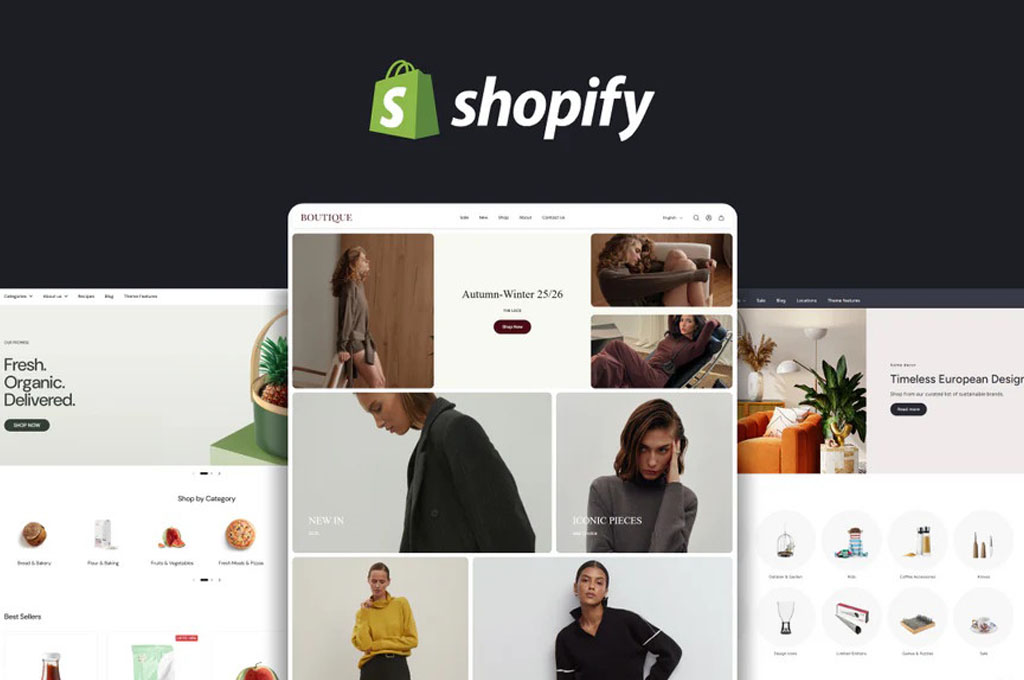
Turning a travel blog into a full-fledged online business is something many of us dream about. We spend years building an audience, sharing stories, and inspiring people to explore the world. So, why not create an additional income stream from that trust and influence? That’s exactly where Shopify comes in. It gives you the tools to transform your blog into a store without needing advanced technical skills. If you’re wondering how to launch an online store with Shopify, you’re in the right place.
From our experience, the biggest challenge isn’t setting up the store, but knowing where to start and how to make it feel like a natural extension of your brand. The good news? You don’t need to figure it all out at once. With Shopify and the right approach, you can launch a store that complements your content, connects with your audience, and grows alongside your travel blog.
Choose What to Sell
To launch an online store with Shopify, the first step is deciding what makes sense for your audience. As travel bloggers, you already have a niche, whether it’s budget travel, luxury escapes, solo adventures, or digital nomad life. Instead of selling random products on Shopify, focus on what readers already come to you for. Check your top blog posts and common questions for clues. If people ask about your editing style, presets could work. If they struggle with packing, offer packing cubes or luggage.
When we explored product ideas, we focused on items we actually used while traveling, and that made a big difference. Authenticity matters because your audience trusts your recommendations. When your products feel useful and relevant, conversions come more naturally.
See on:

Set Up Your Store
Once you have your ideas, it’s time to bring the store to life on Shopify. Signing up for Shopify is easy, even if you aren’t a tech expert. You’ll start by choosing a store name that reflects your travel brand. From there, you can pick a professional theme that is mobile-friendly and visually matches the aesthetic of your blog.
After picking a theme, you can easily add your products. Each page needs high-quality photos and a clear description of why the item is a travel essential. We find that organizing items into collections, like destination-specific gear or flight essentials, makes it much easier for our readers to browse. Shopify handles the backend, so you can focus on the creative side. Best of all, you can even take advantage of Shopify’s AI feature to set up your custom store without lifting a finger.
See on:
Add Payment and Shipping Options
Once your store is set up, it’s time to make sure you can actually get paid. Shopify supports multiple payment gateways, which means you can accept credit cards, digital wallets, and even local payment methods depending on your audience. We highly recommend using Shopify Payments to manage everything in one place. It simplifies the transaction process and ensures your readers have a secure way to buy your gear from anywhere in the world.
If you’re selling physical products like face wash, shipping is the next piece of the puzzle. You’ll need to decide where you ship, how much you charge, and how you handle logistics. On the other hand, if you’re selling digital products (which many travel bloggers prefer), things get much simpler. No inventory, no shipping, and instant delivery. It really comes down to what fits your business model and lifestyle.
See on:

Connect Your Blog and Store
This is where everything starts to come together. Your blog is already your biggest asset, so your Shopify store shouldn’t live in isolation. We always integrate our store directly into our website, whether that’s through a navigation menu, embedded product links, or dedicated shop pages. The goal is to make it easy for readers to discover your products naturally.
You can also link products within your blog posts. For example, if you’re writing a guide about a destination, you can recommend your own itinerary or packing checklist within the article. This creates a smooth user journey where readers go from consuming content to taking action, without ever feeling like they’re being sold to.
See on:
Use Content to Drive Sales
Content is still key, especially for travel bloggers. The difference now is that your content doesn’t just inspire, but it also converts. For us, the best way to drive sales is by creating helpful, experience-based content that naturally leads to our products on Shopify. Think blog posts, email newsletters, Pinterest pins, or even short-form videos.
The key is to focus on value first. Share your personal experiences, tips, and insights, and then introduce your product as a solution. When done right, your audience won’t see it as a sales pitch. Instead, they’ll see it as something genuinely useful. Over time, this builds trust, increases conversions, and turns your blog into a sustainable online business.
See on:
What is Shopify and how does it work?
Shopify is an e-commerce platform that lets you create an online store to sell products or services without needing advanced technical skills. It works by providing ready-made tools for building your website, managing products, processing payments, and handling orders all in one place.
Which languages does Shopify support?
Shopify supports multiple languages for storefronts, including English, Spanish, French, German, Italian, Portuguese, Japanese, and more. You can also add and customize additional languages using translation apps or built-in tools.
Does Shopify allow you to have a blog?
Yes, Shopify includes a built-in blogging feature, so you can create and publish blog posts directly on your store. It lets you manage content, add SEO elements, and connect your blog seamlessly with your products.
Some images on this article are copyrighted by Shopify.
